Compliance work is full of repeatable, rules-based steps: checks, approvals, records and reports. That makes it a strong candidate for automation.
What does it mean to automate a compliance process?
Automating a compliance process means using technology to carry out the routine steps of a compliance workflow so they happen reliably and consistently. Instead of relying on people to remember to run a check, seek an approval or keep a record, the process does these things automatically. Compliance becomes part of how work flows through the business rather than a separate manual task that is easy to skip under pressure.
Which compliance processes can you automate?
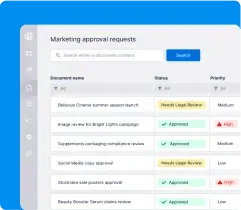
The strongest candidates are processes with clear rules and repeatable steps. Common examples include automatic checks of a request or document against policy, mandatory reviews before something is signed or published, record-keeping and audit trails, tracking of recurring obligations and deadlines, and reporting. Marketing review and approval is one well-defined example, which Plexus handles through marketing compliance.
What are the benefits of automating compliance?
Automating compliance reduces the risk of human error and missed steps, which is where most compliance failures come from. It makes the process consistent, so the same checks happen every time regardless of who is involved, and it produces a clear record that obligations were met. That record makes audits and reporting straightforward, and it frees people from manual checking to focus on judgement-based work.
How do you start automating compliance processes?
Start by mapping the process as it actually runs and identifying the steps that are rules-based and repeatable. Automate the highest-risk or highest-volume process first, prove the value, then extend to others. This is the same disciplined approach that works for legal workflow automation more broadly: one well-defined process at a time rather than everything at once.
How Plexus automates compliance workflows
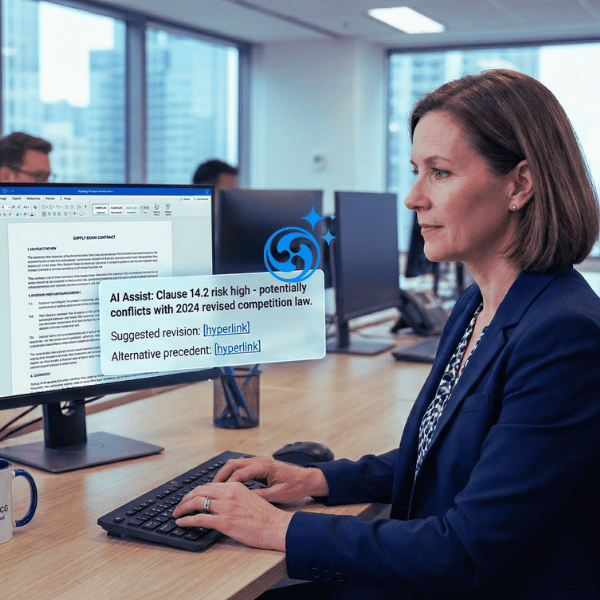
Plexus lets teams build compliance into their everyday processes. Checks and approvals run automatically against policy, records and audit trails are captured as work happens, and Plexus AI reviews documents against your requirements. Compliance stops being a manual gate and becomes part of how the business operates, with the reporting to prove it through insights and reporting.
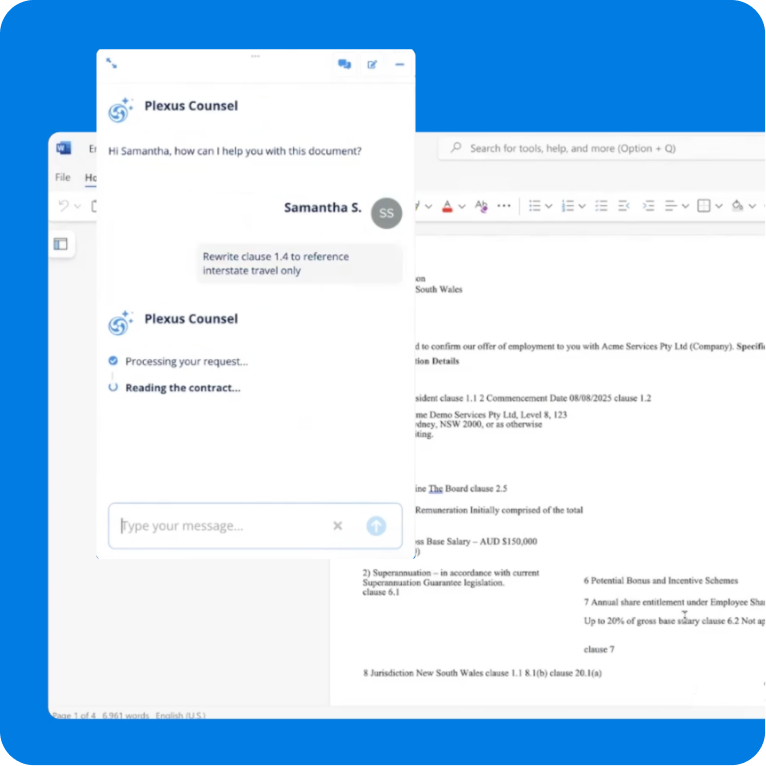
 Meet Plexus Counsel, your new AI-powered digital lawyer
.svg)







.svg)